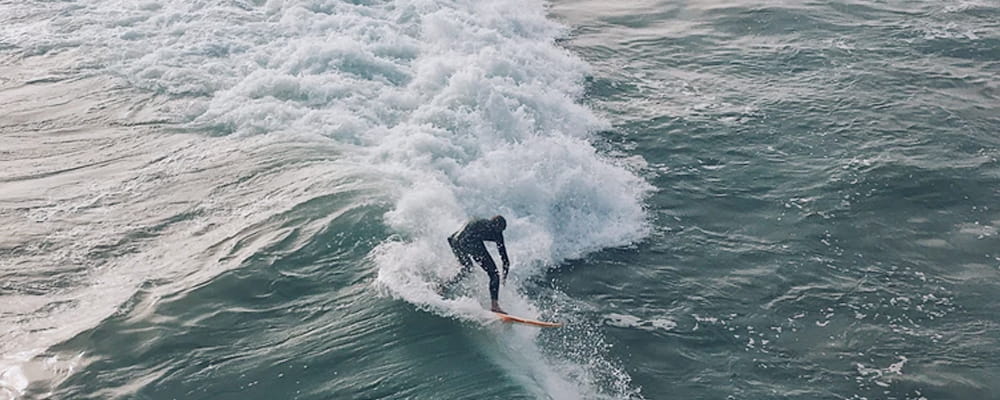
Today's Suicide Cliffs sea temperature is 29.2 °C
(1.2° warmer than normal for this time of year)
| Mean: | 28.0 °C | ||||||||||||||||||||||||||||||||||||||||||||||||||||||||||||||||||||||||||||||||||||||||||||||||||
|---|---|---|---|---|---|---|---|---|---|---|---|---|---|---|---|---|---|---|---|---|---|---|---|---|---|---|---|---|---|---|---|---|---|---|---|---|---|---|---|---|---|---|---|---|---|---|---|---|---|---|---|---|---|---|---|---|---|---|---|---|---|---|---|---|---|---|---|---|---|---|---|---|---|---|---|---|---|---|---|---|---|---|---|---|---|---|---|---|---|---|---|---|---|---|---|---|---|---|---|
| Range: | 26.8 °C to 29.4 °C | ||||||||||||||||||||||||||||||||||||||||||||||||||||||||||||||||||||||||||||||||||||||||||||||||||
| Statistics for 20 Sep (1981–2005) | |||||||||||||||||||||||||||||||||||||||||||||||||||||||||||||||||||||||||||||||||||||||||||||||||||
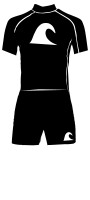
Today, many surfers would wear a rashvest wetsuit.
Sunny with very warm air temperatures, feeling like 28 °C once we account for any wind. Sea temperatures (29 °C) very warm too. Staying comfortable in the water at Suicide Cliffs won't be a problem, but wear at least a rash-vest to keep the UV off.
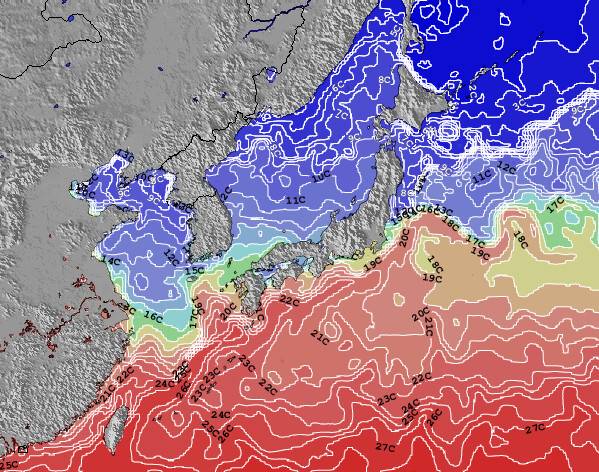 Map of current Japan Surface Water Temperatures (based on measurements from oceanographic satellites) | 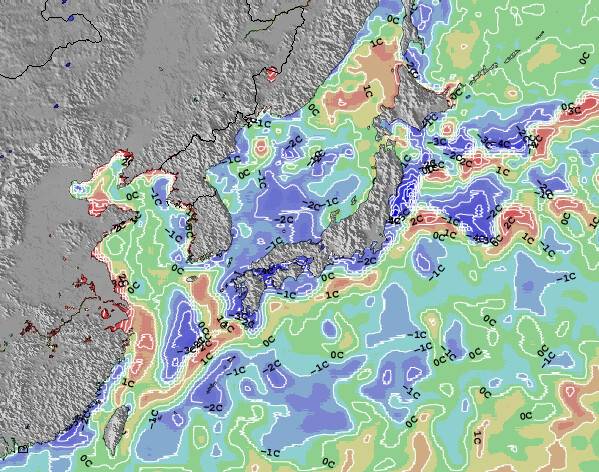 Map of current Japan Sea Water Temperature Anomalies (compared with long term averages at this time of year) |
click thumbnails to expand
Below is a graph of Historical Sea Surface Temperature for Suicide Cliffs. This has been derived from analysis of two decades of oceanographic satellite measurements of nearby open water. We have calculated the average water temperature variation around the year as well as the extremes that have been observed on each date.
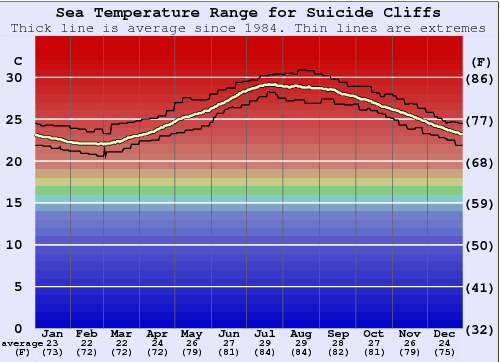
All of the graphs for the surf breaks presented on Surf-Forecast.com are on the same scale to enable comparison between locations around the world.
Suicide Cliffs sea water temperatures peak in the range 28 to 30°C (82 to 86°F) on around the 19th of July and are at their lowest on about the 23rd of February, in the range 21 to 24°C (70 to 75°F). Year round warm sea water temperatures at Suicide Cliffs climb to their maximum in the third week of July. Even then a rash vest and board shorts should be fine for surfing at any time of year. Suicide Cliffs sea water temperatures are lowest in the fourth week of February. Surfers should use a 2mm long sleeve shorty or a 3/2mm spring wetsuit if the wind is up.
Actual sea surface water temperatures close to shore at Suicide Cliffs can vary by several degrees compared with these open water averages. This is especially true after heavy rain, close to river mouths or after long periods of strong offshore winds. Offshore winds cause colder deep water to replace surface water that has been warmed by the sun. Air temperature, wind-chill and sunshine should also be considered before deciding on the kind of wetsuit needed to stay warm when surfing at Suicide Cliffs. Refer to our detailed weather forecasts for this information.
 Nearest