Ballyhiernan Bay Surf Stats
- Forecast
- Maps
- Live
- Weather State
- Spot Information
All swells
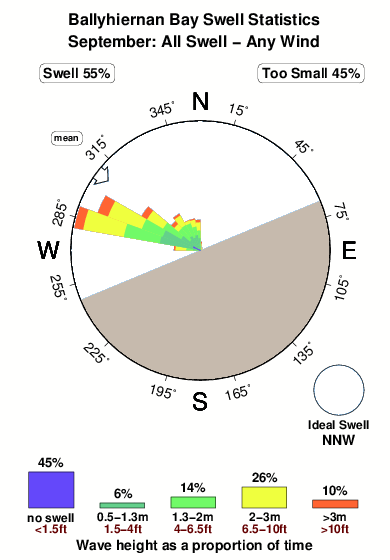


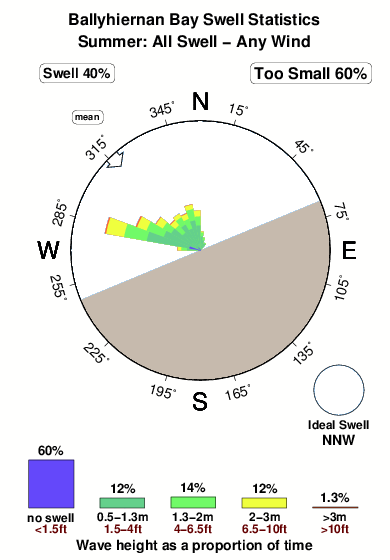
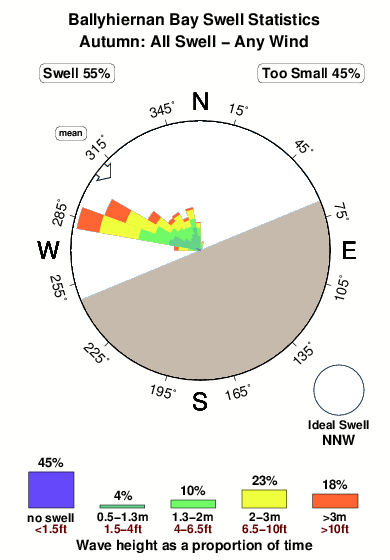
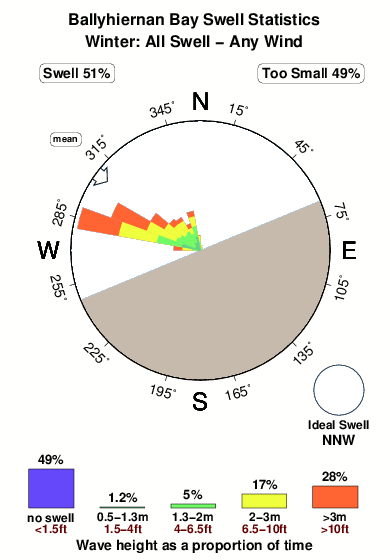
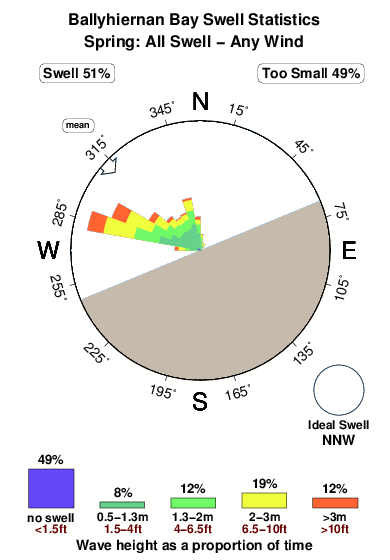
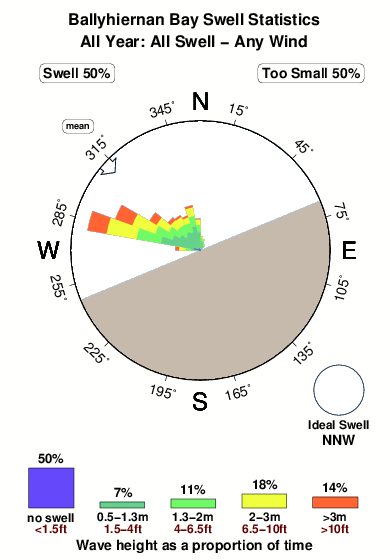
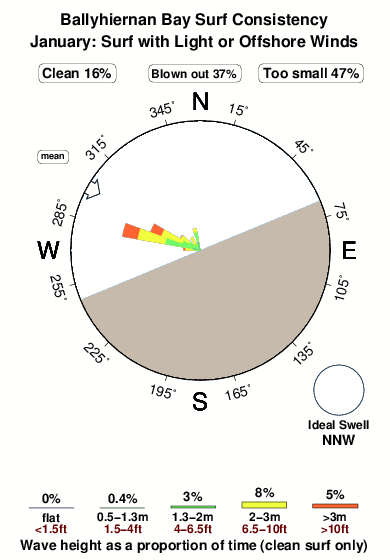
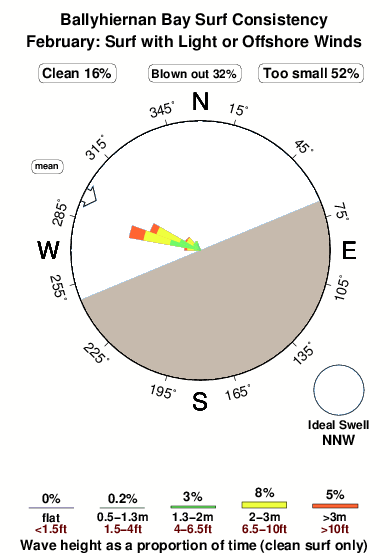
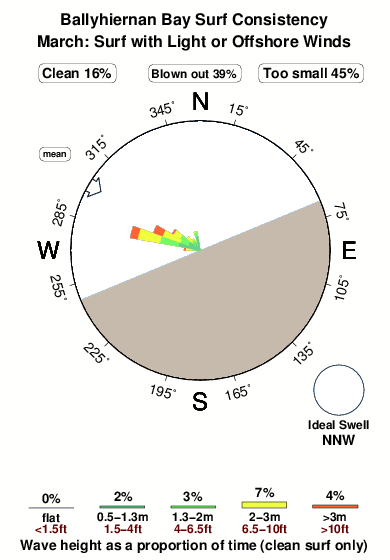
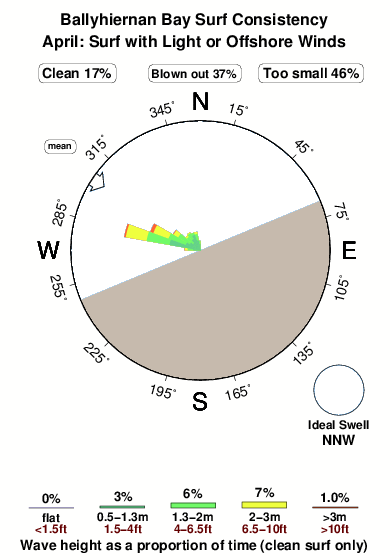
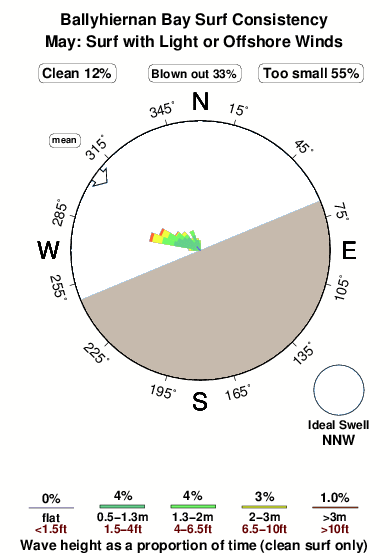
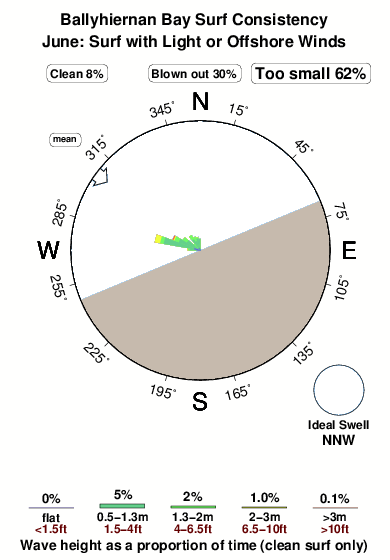
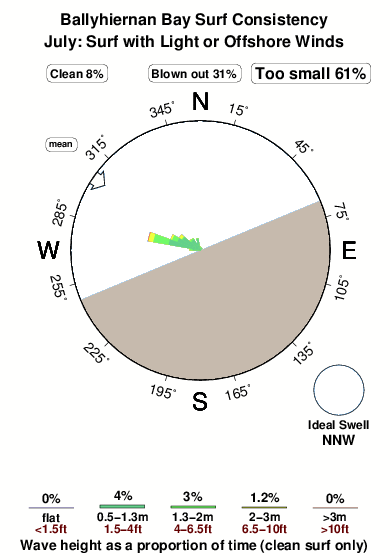
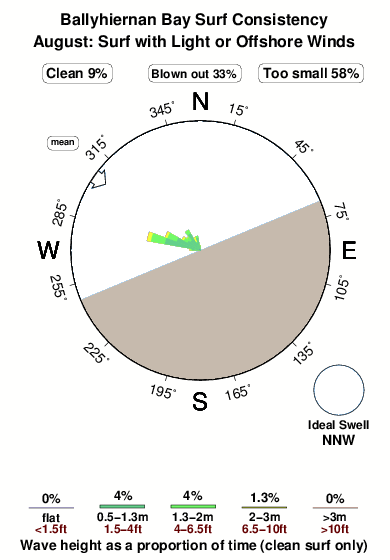
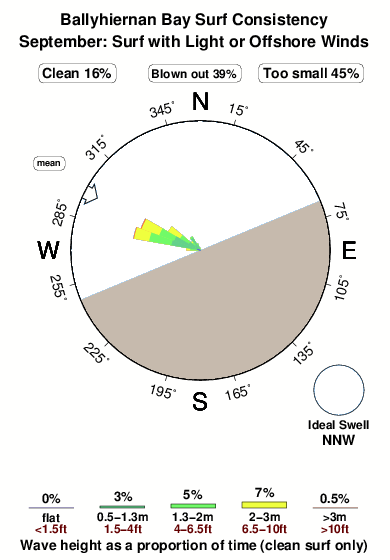
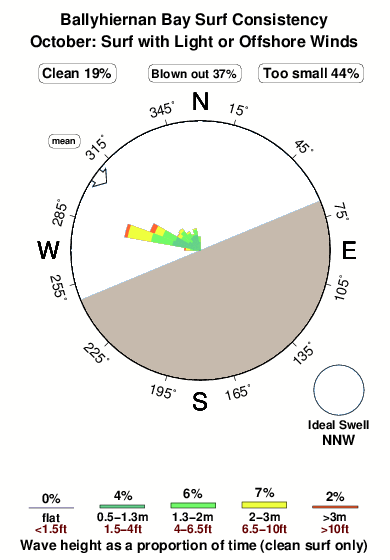
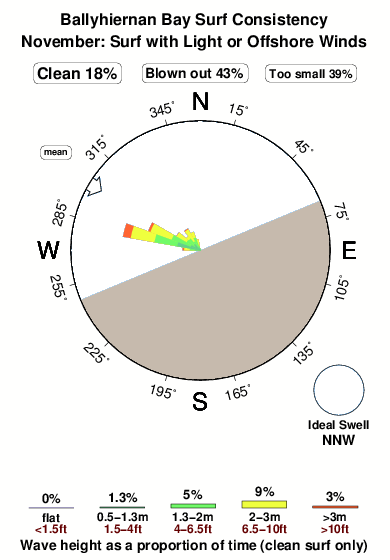
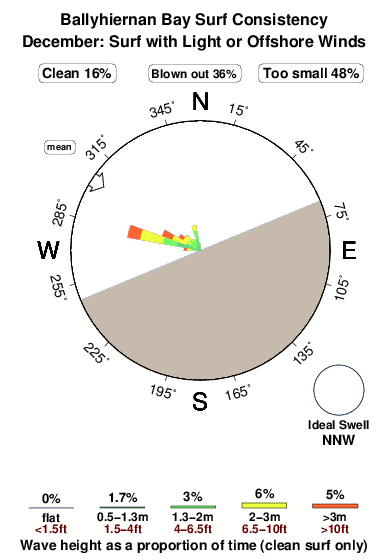
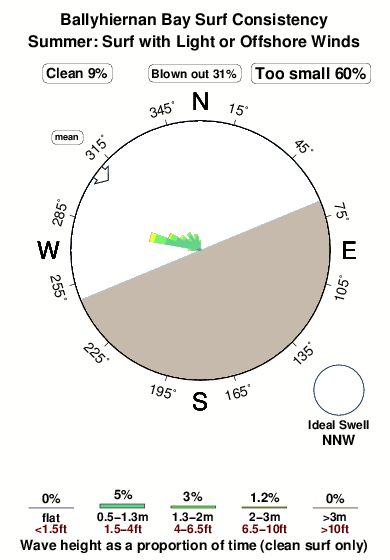
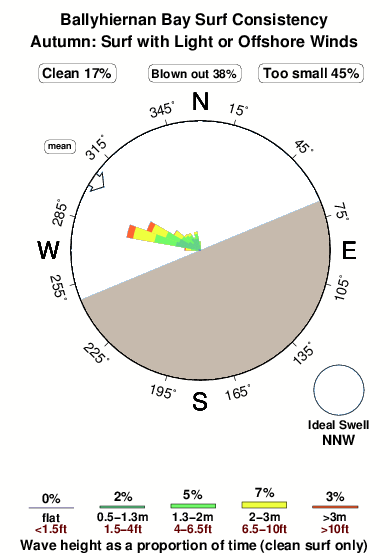
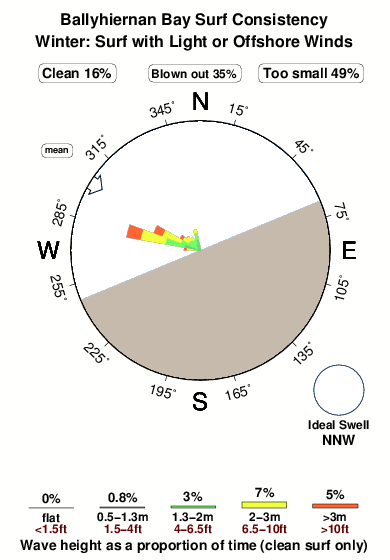
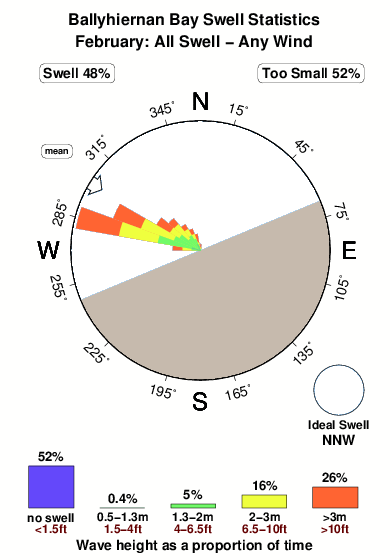
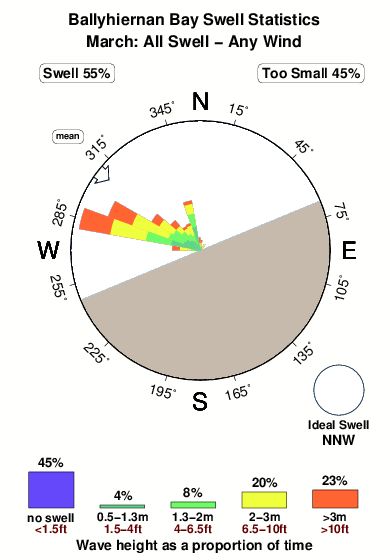
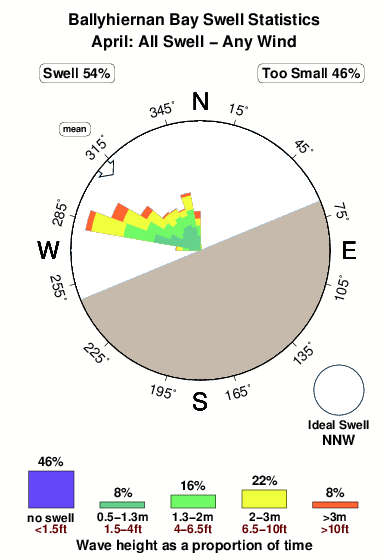
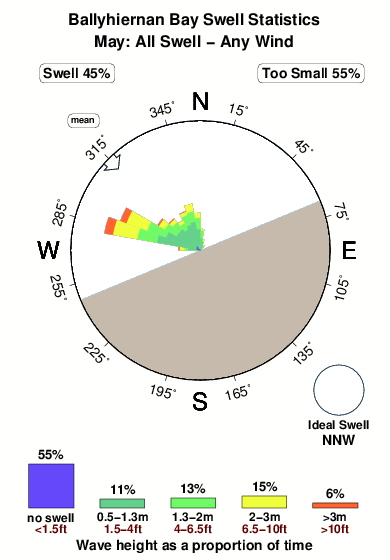
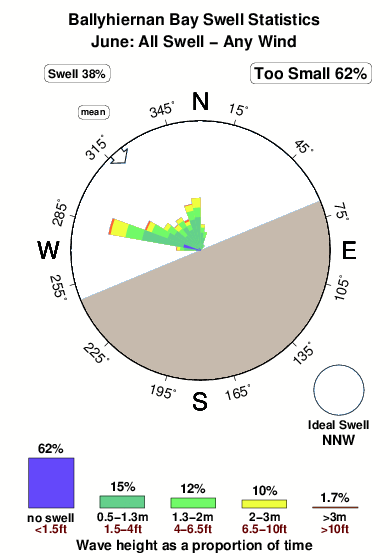
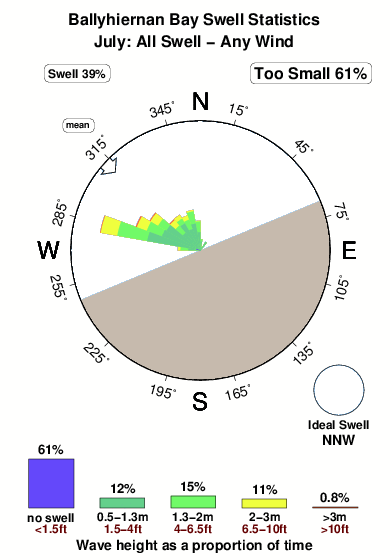
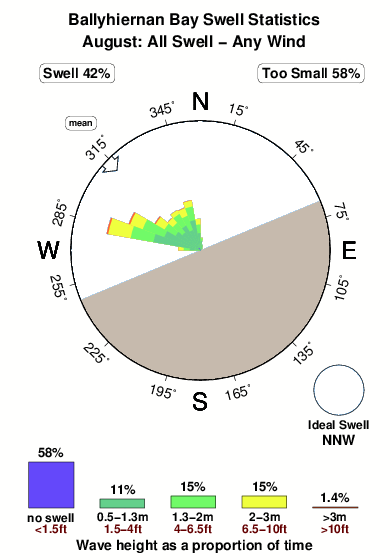
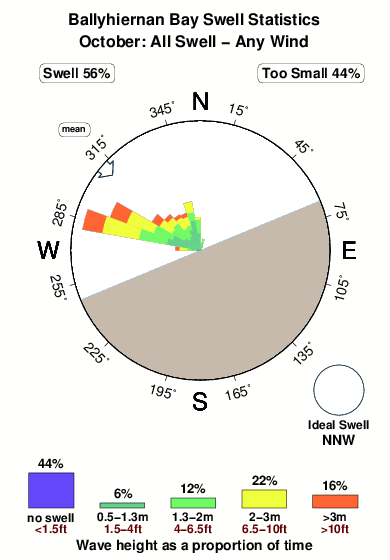
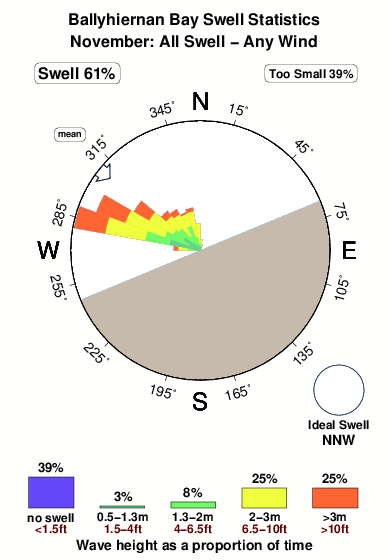
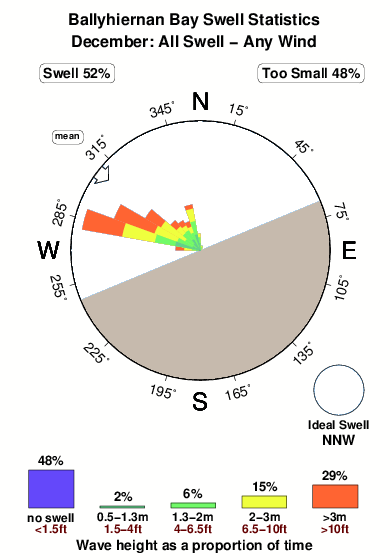
This image describes the variation of swells directed at Ballyhiernan Bay through an average September and is based upon 3360 NWW3 model predictions since 2006 (values every 3 hours). The wave model does not forecast wind or surf right at the coastline so we have chosen the optimum grid node based on what we know about Ballyhiernan Bay. In this particular case the best grid node is 33 km away (21 miles). The rose diagram describes the distribution of swell directions and swell sizes, while the graph at the bottom shows the same thing without direction information. Five colours illustrate increasing wave sizes. Blue shows the smallest swells, less that 0.5m (1.5 feet) high. These occurred only 45% of the time. Green and yellow show increasing swell sizes and red shows the highest swells, greater than >3m (>10ft). In either graph, the area of any colour is proportional to how often that size swell occurs. The diagram indicates that the dominant swell direction, shown by the biggest spokes, was NW, whereas the the dominant wind blows from the SW. Because the wave model grid is out to sea, sometimes a strong offshore wind blows largest waves away from Ballyhiernan Bay and offshore. We lump these in with the no surf category of the bar chart. To keep it simple we don't show these in the rose plot. Because wind determines whether or not waves are clean enough to surf at Ballyhiernan Bay, you can select a similar diagram that shows only the swells that were predicted to coincide with glassy or offshore wind conditions. In a typical September, swells large enough to cause surfable waves at Ballyhiernan Bay run for about 55% of the time.
 Nearest