Using Surf-Forecast’s Historical Surf Data To Find The Cleanest Waves On Earth
Our historical stats breakdown what waves are offshore almost all the time.
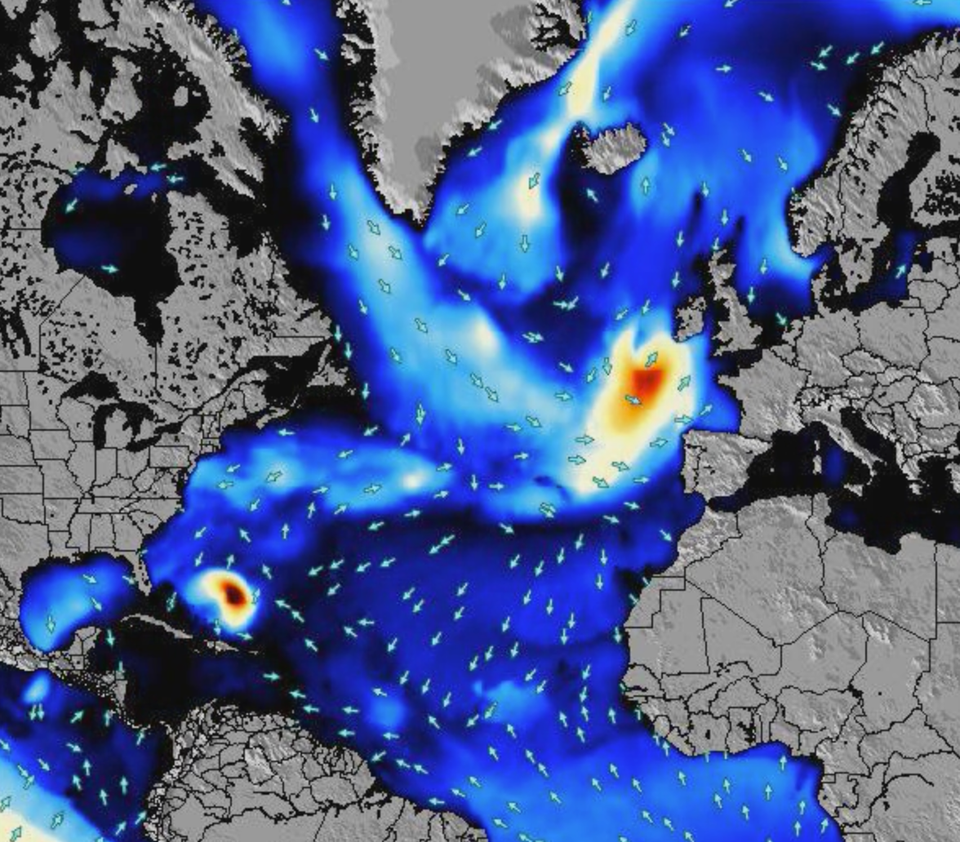
There's nothing like an offshore wind. The spray pluming off the back of the waves. The groomed texture. The ocean squidgeed smooth. Life is cleaner and easier when the wind is blowing from the land to the sea. But waves are the most offshore for most of the time? We have compiled swell and wind data for all of our 7,000+ locations since 2006. All the data is available in our comprehensive spot guides.
For wind, the stats show how often and how strongly the wind blows from different directions for each break, measuring offshore as a percentage. You can search by the month, season or year and even compare waves in different locations. We dug deep into the numbers to see which waves around the world are the cleanest.
G-Land, Indonesia
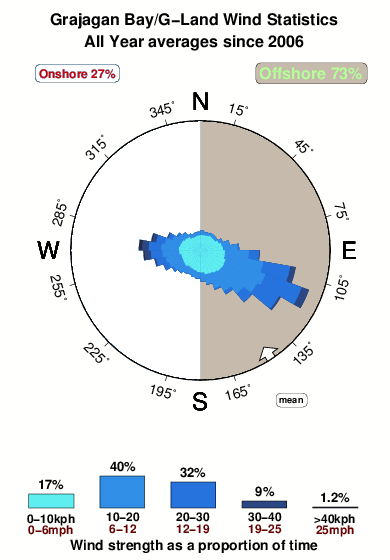
You don’t go to Indo to surf onshore waves. Unless you are an aerial specialist or a psychopath. Grajagan is a pretty good poster child for the whole archipelago when it comes to wind, as it reaps the rewards of the dominant dry season southeast trade winds. Our stats show that G-Land clocks offshore at 73% across the entire year. In the dry season over the three winter months, the proportion rises to an almost perfectly smooth 97%. Even in November, known as a very late point in the offseason, it registers above 80%. And the best bit? The winds usually clock offshore around 9am, making for a mandatory lie in.
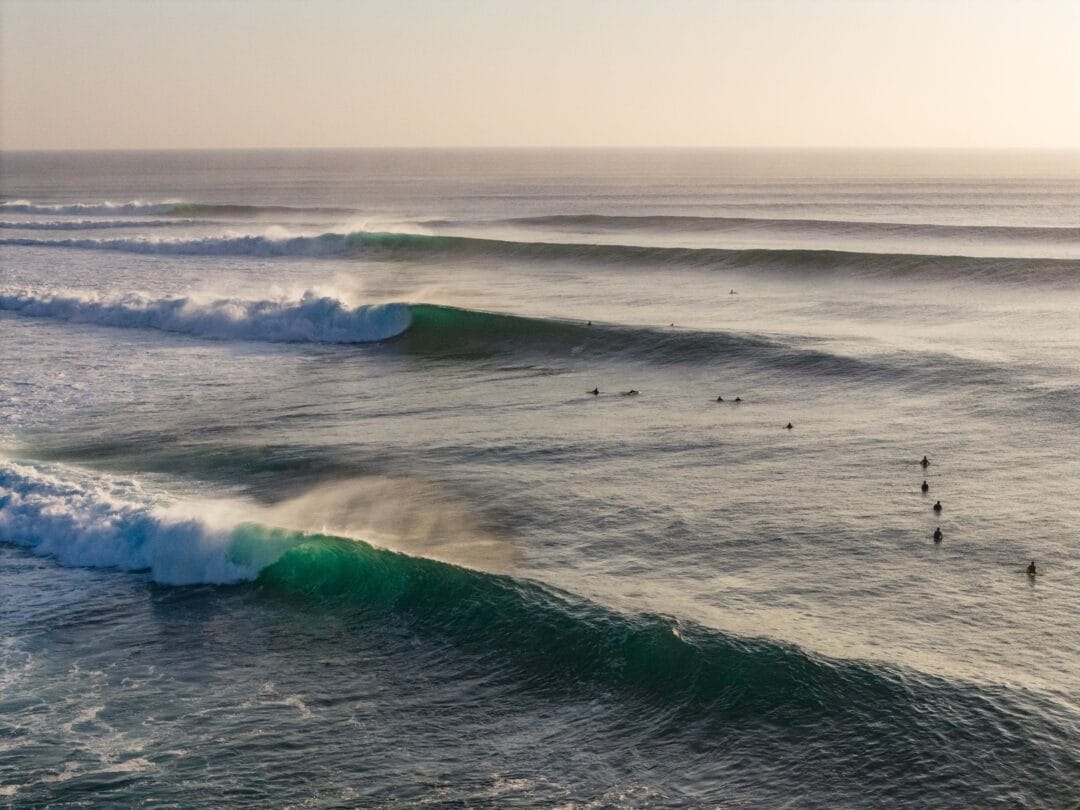
Offshore banking, bad. Offshore winds, good. G-land as per usual. Photo Perfect Wave Travel
Playa Gigantes, Nicaragua
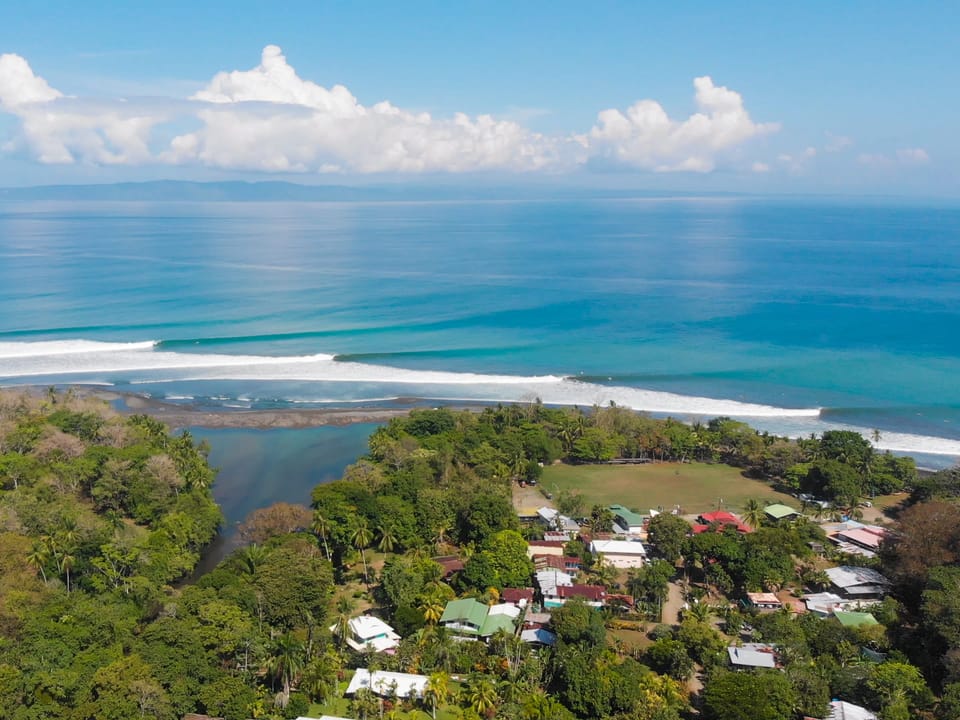
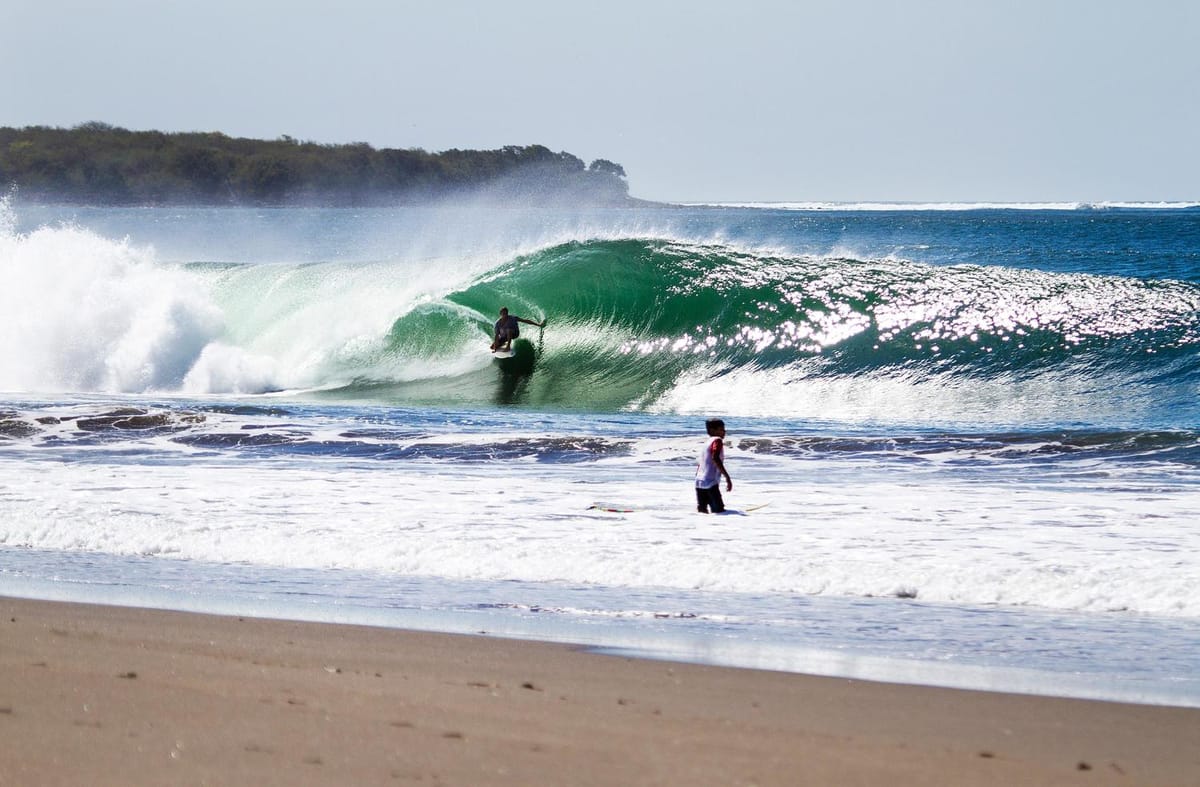
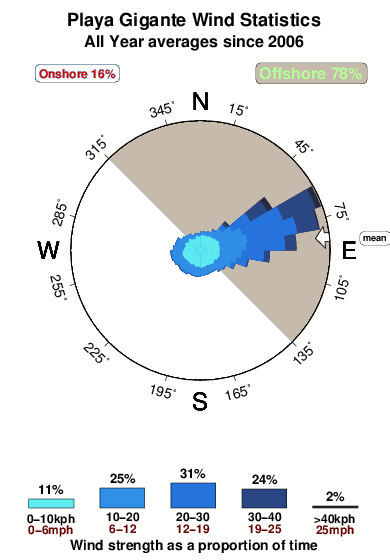
In terms of wind, Nicaragua hit the surfing geographical and meteorological jackpot. The Pacific Coast of Nicaragua has Caribbean trade winds that funnel through the mountains, over a narrow topography, and are maintained by a temperature difference between Lake Nicaragua and the coast that creates offshore northeast breezes more than 300 days a year. The stats back it up, with offshores registered 78% of the time across the whole year, which rises to 83% in summer. Not good for airs, but damn good for surfing clean waves.
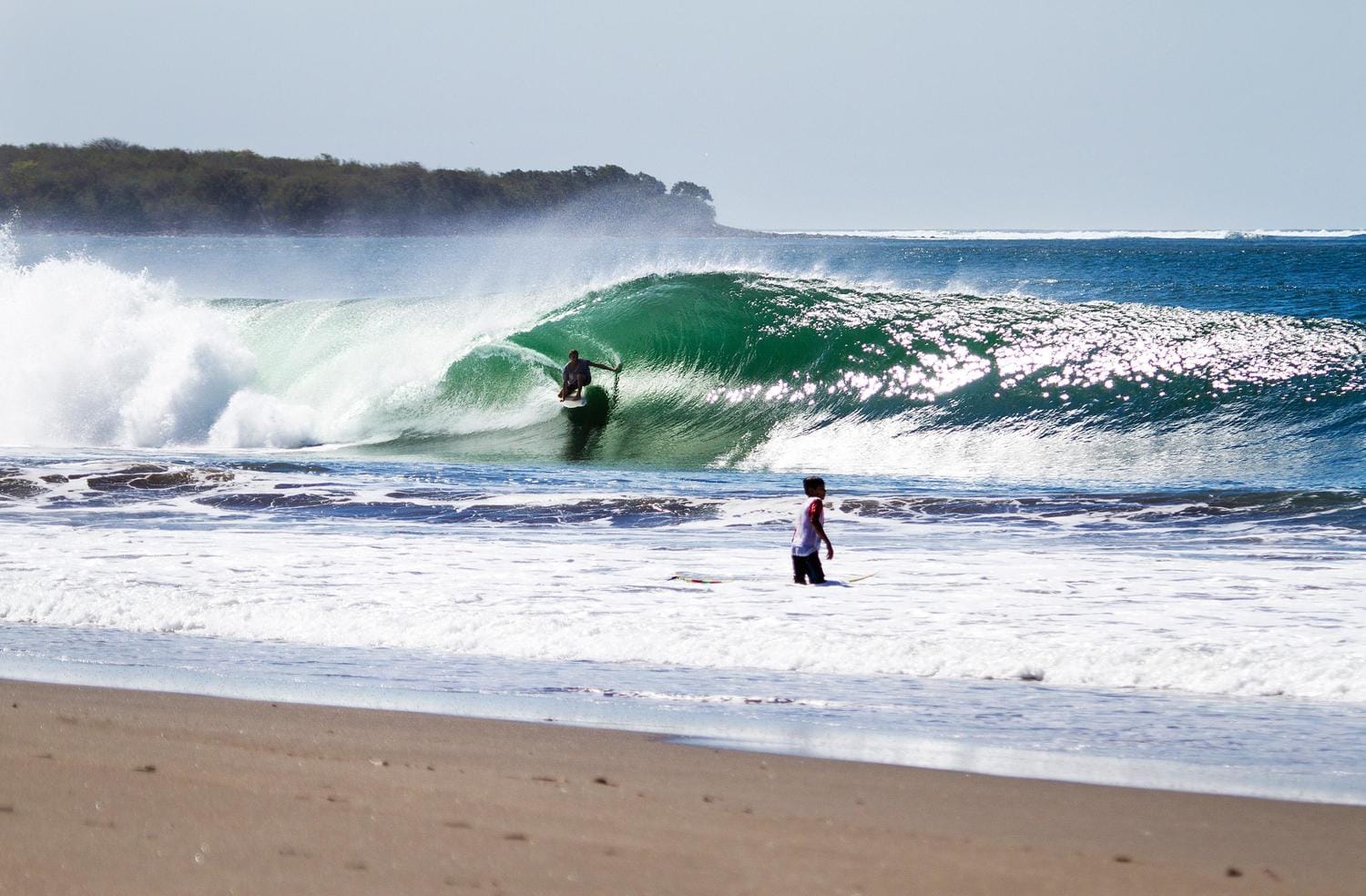
Air wind? No chance. Popoyo turning on. Photo courtesy Perfect Wave Travel
The Caribbean Panama
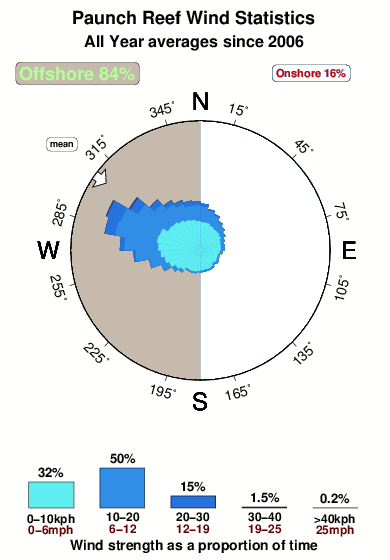
The Caribbean side of Panama delivers both clean conditions and consistent swells in ridiculous numbers. Surf-Forecast’s data since 2006 shows that Paunch Reef in the Boca Del Toro region averages offshore 88% over the year, with westerly winds the dominant breeze. Winds under 12mph also come in at 82% of the time. The swell stats are even better, with it being too flat to surf just 6% of the time, and dropping to 1% in winter.
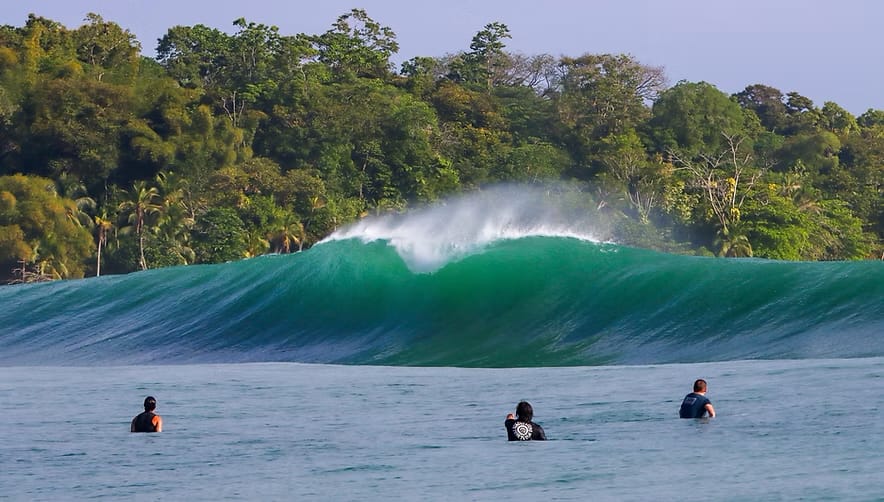
The Panama Caribbean, as clean as a whistle. Photo courtesy of Red Frog Bungalows
Cloudbreak and Restaurants
Even with Cloudbreak breaking along a fringe of coral in the middle of the Pacific, the iconic left is offshore 56% of the time year-round. This might not be as high as others on this list, but the number gets even better when you consider the prevailing south-to-south easterly winds, while not technically offshore, provide clean conditions as the wave hugs the curvature of the reef, and bends back to face the wind. Restaurants, which break just off the island of Tavarua, is more protected, less open to swell, but more consistently clean, with year average of offshores blowing 75% of the time.
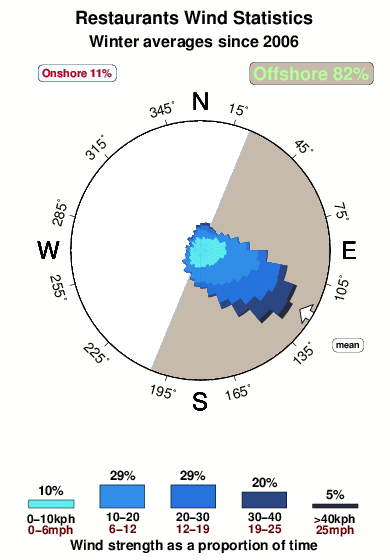
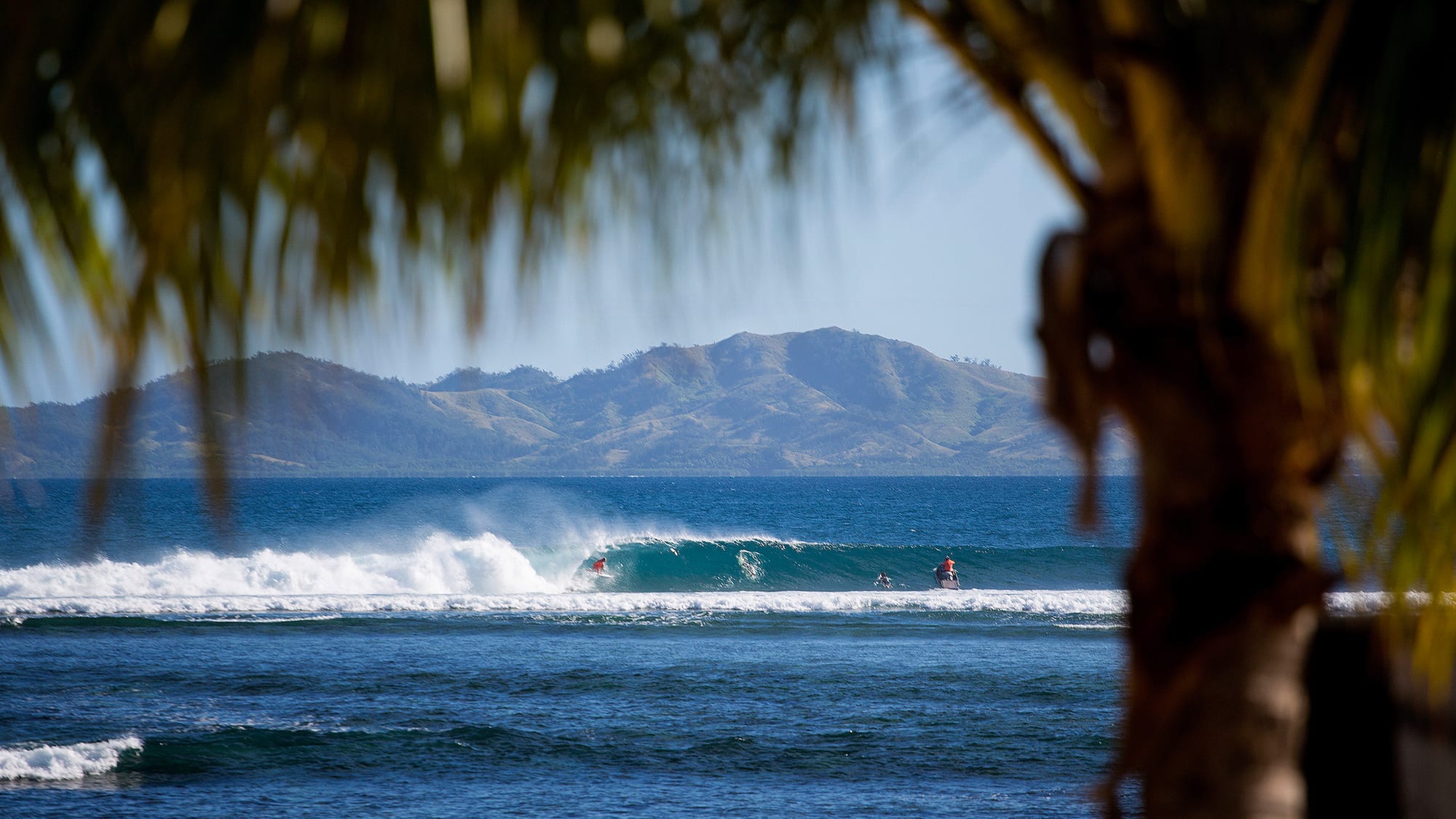
Restuarants, delivering tasty, offshore, morsals. Photo WSL/ Kirstin
Santa Cruz
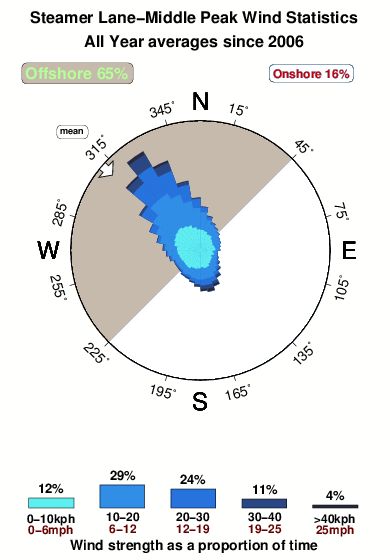
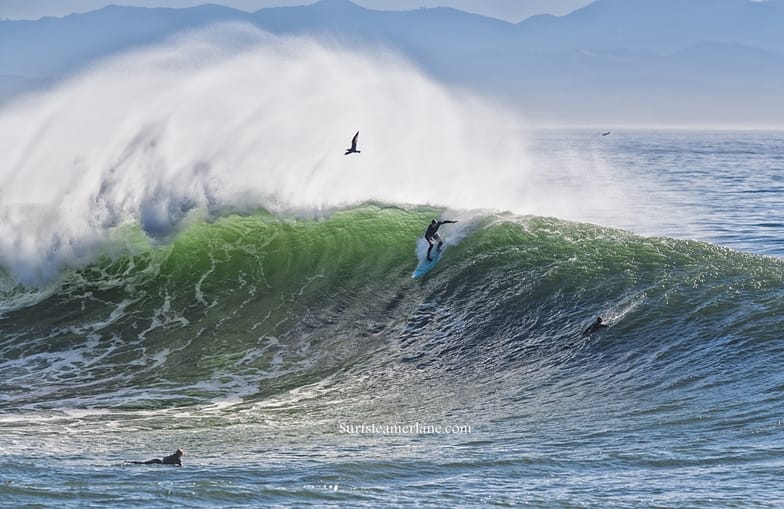
Putting a US mainland filter on the selection process, it’s Santa Cruz that, ironically, blows other surf hubs out of the water. It’s best known surf spots face south and are sheltered by mountains from the prevailing strong northwest winds and sea breezes that ruffle the rest of the Central California coast. Add a daily land breeze cycle and extended periods of Diablo and Santa Ana winds, and the data skews glassy. If we look at Middles at Steamer Lane, it logs 65% offshore on the average year-round stats, with onshores registering at just 16%. The offshore component cranks up to 75% in April. Do Santa Cruz surfers have smoother styles than the rest of the country? Maybe it’s a lifetime of avoiding the chop?