Using Surf-Forecast’s Historical Surf Data To Find The Most Consistent Waves On Earth
Using our statistical data for 7000 spots dating back to 2006, we can find those waves that break the most, with the best winds.
The surf-forecast website is an Aladdin’s cave of meteorological wonders and surf data gold. Now, sure, you might have to dig for it, but once in, there are jewels in there that can vajazzle the vejusus out of your surfing experience.
One of these is our historical surfspot data. For your local spot, or dream destination, click on the blue Spot Guide in the Spot Information banner at the top of the page. We have all the swell and wind statistics for more than 7000 surf spots worldwide, dating back to 2006.
These are further broken down by month, season, or year and shown in easy-to-read graphs. That can be useful in choosing when to book a trip overseas, or the best time of year to take some time off work. As an example, we looked into the waves that broke the most often, with the best winds all year round. Or in other words, the most consistent spots on Earth.
Portugal: Coxos
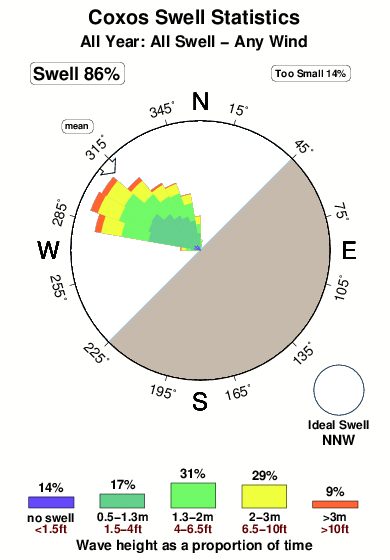
The tourism board boasts that you can surf good waves more than 300 days a year in Portugal. The North Atlantic delivers a constant stream of swell, and even in summer, there’s usually a wave to be found. If we take one its best waves, Coxos, the year-round stats on surf-forecast show that 17% of the time the swell was between 0.5-1.3m, 31% of the year measured between 1.3 and 2m, and 29% was between 2 and 3 metres. When you add the 3 metre plus days (9%), the spot has waves over fout foot for almost 70% of the year. Now wind is an issue in Portugal, but the year stats show the wind was offshore one in five days and light (below 12mph) 53% of the time. With swell on tap and good or manageable winds most of the time, the tourism board is bang on.
Nicaragua: Popoyo
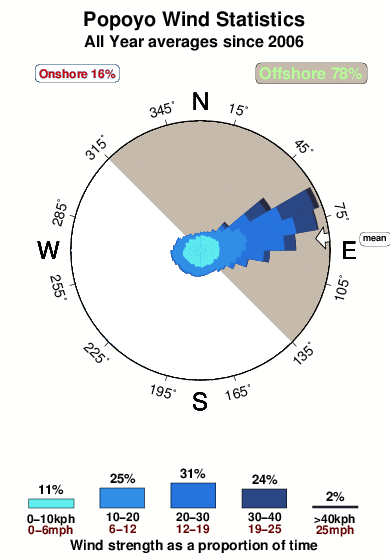
Nicaragua is known for its consistency of regular-sized swells and offshore winds, and a deep dive into 20 years of Popoyo Main Break’s stats proves the theory. The break saw 44% of its swell being between 0.5 to 1.3 meters, and another 46% in the super fun range of 1.3 to 2 metres. So, 9 in 10 days, there will be fun waves to be had. The wind stats are even more off the charts. Year-round, offshore easterly winds (clocked with a mean direction of 080 degrees) blew 78% of the time. It’s a combination that makes this part of the world truly unique, and amazingly consistent.
Western Australia: Margaret River
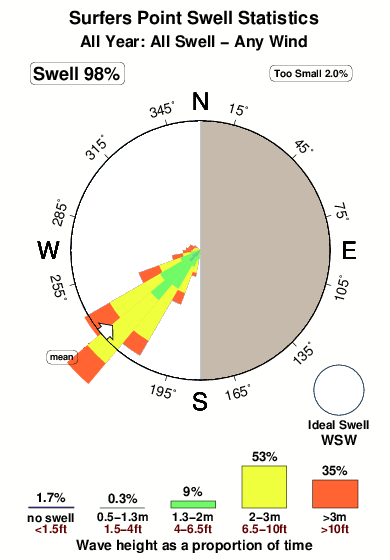
When a wave is registering swells of above 3 metres, let’s call that 10-foot Hawaiian more than a 1/3 of the time, you know swell isn’t a problem. That’s the breakdown for Main Break, or Surfer’s Point, Margaret River. Now the Main Break is incredibly open to all swells, but those stats hold true for the whole region. Remarkably, more than half the swells recorded came in just over 2 metres. Such is the consistency of swell (of which 95% comes from a narrow SW direction) that swells under 0.5 metres hardly even feature. Unlike Nicaragua, the winds aren't quite as cooperative, and offshores account for 35% of all recorded. Most of the onshore component does arrive in the afternoon, however, so if you can make the most of the mornings, few areas in the world boast the year-round consistency of Margaret River.
Bali: Uluwatu
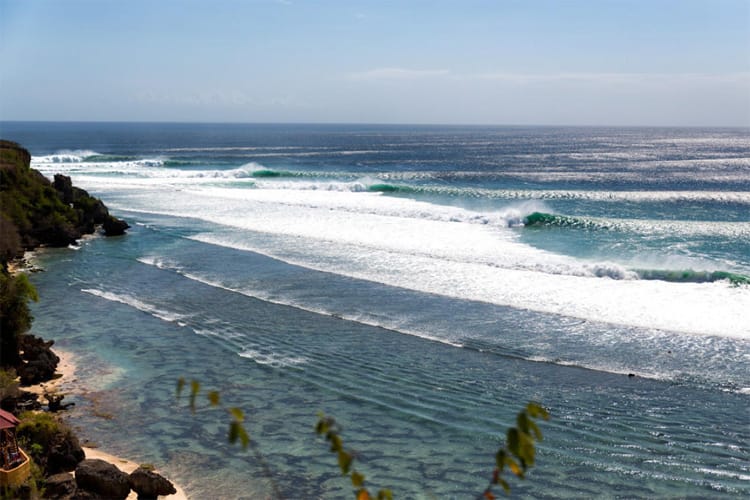
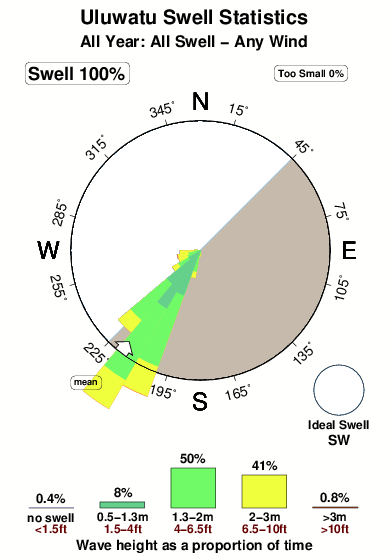
Now, Indonesia is known for having more world-class setups than any other nation on Earth. To these perfect reefs, we can add a non-stop supply of swells, expertly arranged by a stream of offshore or light winds. Uluwatu is a prime example. 91% of swell recorded on the iconic Bukit wave were between 1.3 and 3 metres, and almost all from the optimal SW, or 220 degree direction. The offshore component is incredibly high too, with winds blowing offshore 78% of the time year-round. In the dry season, in prime time during August, that offshore ratio increased to a perfect 100%. Who said math can’t be beautiful?
Chile: Punta Da Lobos
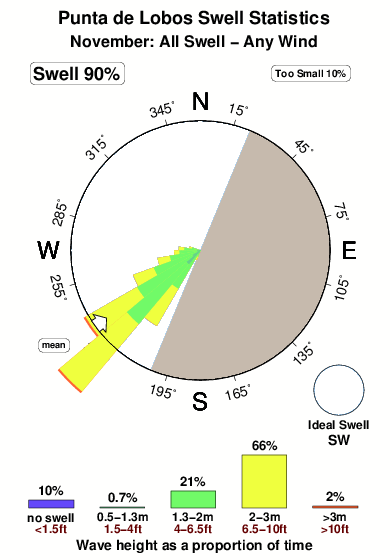
Another absolute swell magnet, the Chilean coast is pummelled by Pacific swell throughout the entire year. Looking at the Punta Da Lobos, which can hold waves from 2 to 20 feet, the iconic left has averaged waves between 2 to 3 metres 66% of the time. Another 20% logged in between 1.3 and 2 metres. You'd have to be unlucky to rock up and not see solid waves here, and if you stay for two weeks, it’s almost guaranteed. The wind is more problematic, with winds blowing onshore 76% of the time. However in peak swell season, in July, the offshore component ramps up to 30%. With those numbers behind you, stoke is almost guaranteed.