Port O'Conner Wind Stats
- Forecast
- Maps
- Live
- Weather State
- Spot Information
Wind Stats
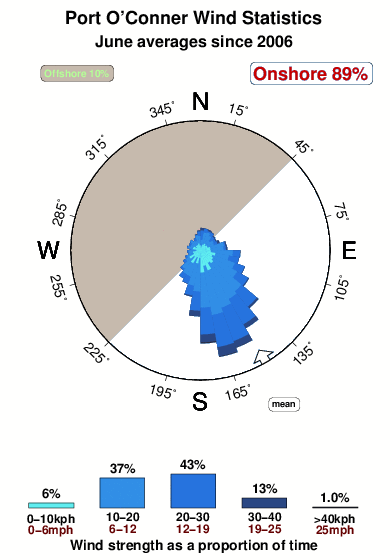


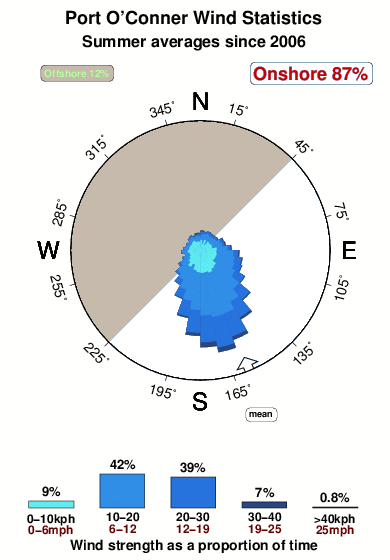
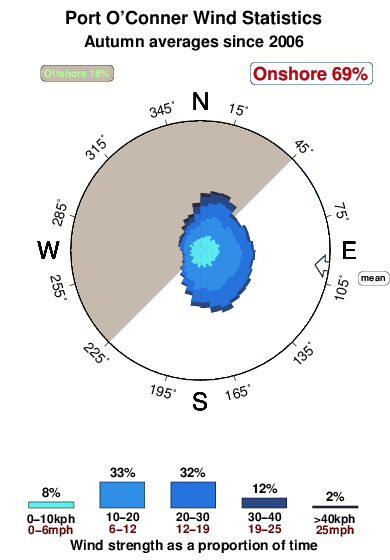
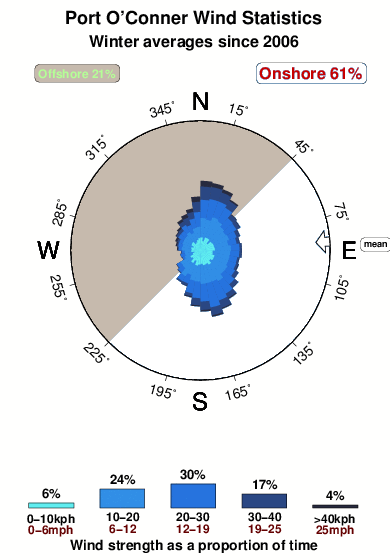
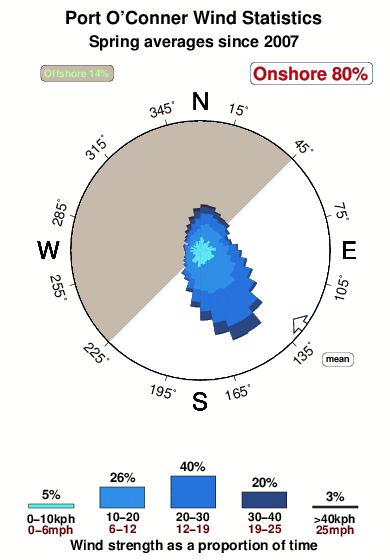
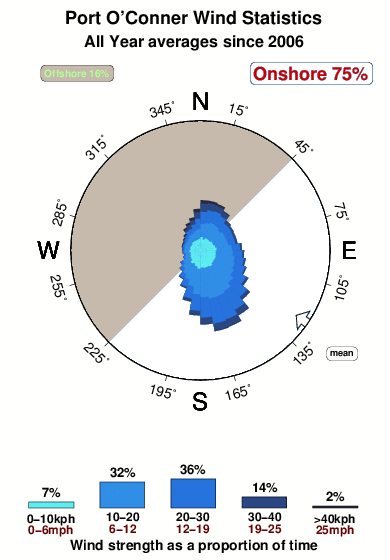
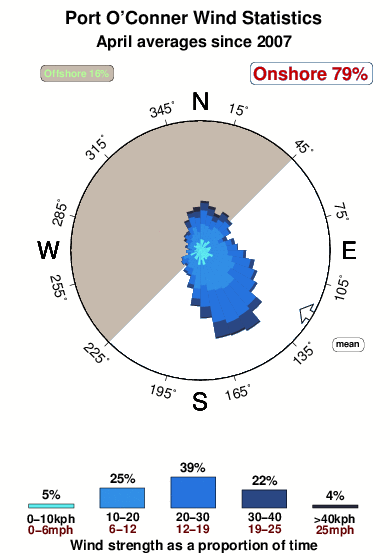
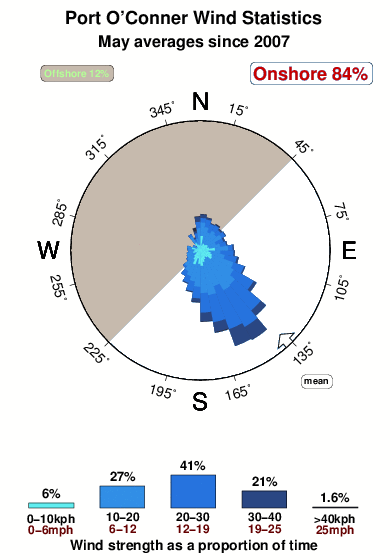
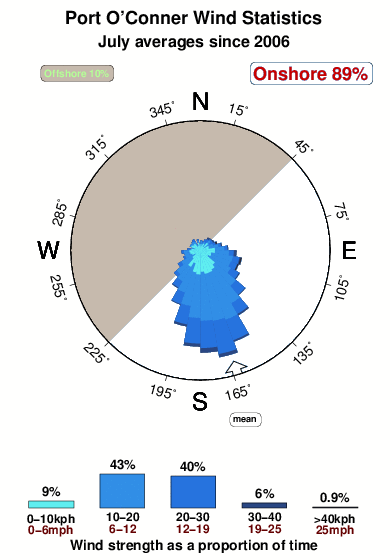
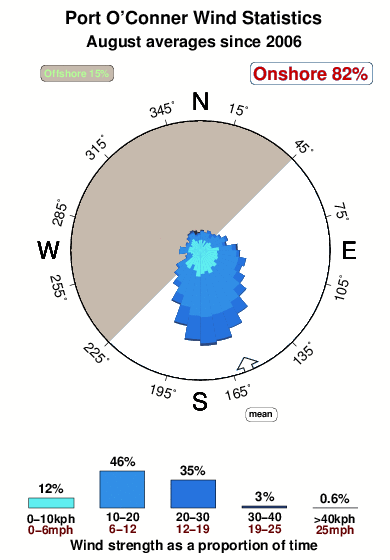
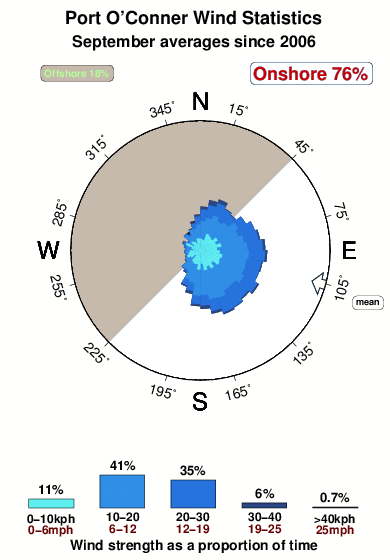
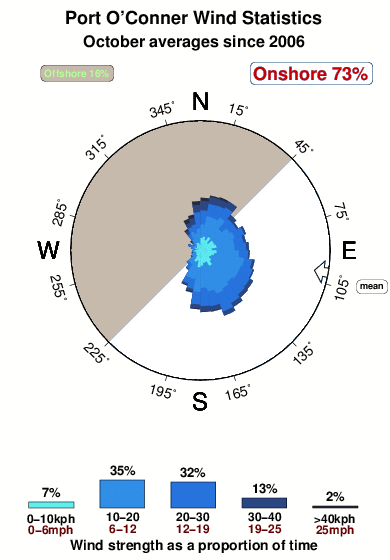
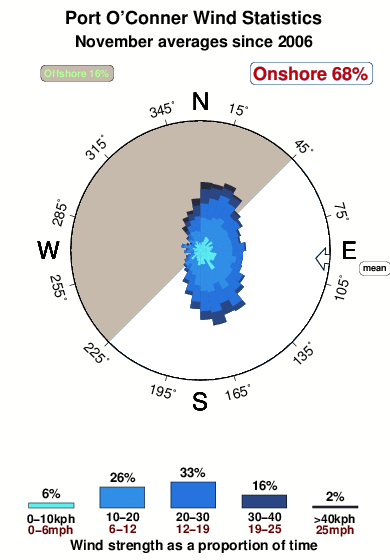
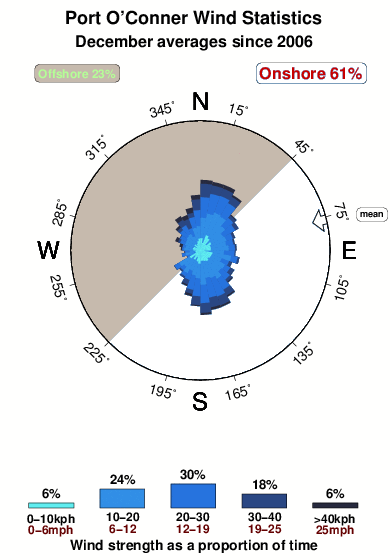
This chart describes how often and how strongly the wind blows from different directions through a typical June. The biggest spokes point in the directions the wind most commonly blows from and the shade of blue implies the strength, with the strongest winds shown by dark blue. It is based on 3506 NWW3 forecasts of wind since since 2006, at 3hr intervals, for the closest NWW3 model node to Port O'Conner, located 36 km away (22 miles). There are too few recording stations world wide to use actual wind data. Without question some coastal places have very localized wind effects that would not be predicted by NWW3. According to the model, the most common wind at Port O'Conner blows from the SE. If the rose plot shows a nearly round shape, it means there is no strong bias in wind direction at Port O'Conner. On the other hand, dominant spokes represent favoured directions, and the more deep blue, the stronger the wind. Spokes point in the direction the wind blows from. Over an average June, the model suggests that winds are light enough for the sea to be glassy (light blue) about 6% of the time (2 days each June) and blows offshore 10% of the time (2 days in an average June). In a typical June winds exceeding >40kph (25mph) are not expected, but 4 have winds on the range 30-40 (19-25) at Port O'Conner
 Nearest